
Fundamentals
Technical foundation
Four-stroke engines, safety, fuel, lubrication and reading the exact-series manual.
40 h online · proposed practiceVessel technical certification · in development
A Vessel certification built around verifiable practice, plus an expert and AI support network that stays with you after assessment.
00 · Vessel certification
Fundamentals and exact-series manuals
Guided cases and applied diagnosis
Photos, video, measurements and report
Assessment and human evidence review
Vessel credential and ongoing support
01 · Learning paths
Fundamentals
02 · Series library
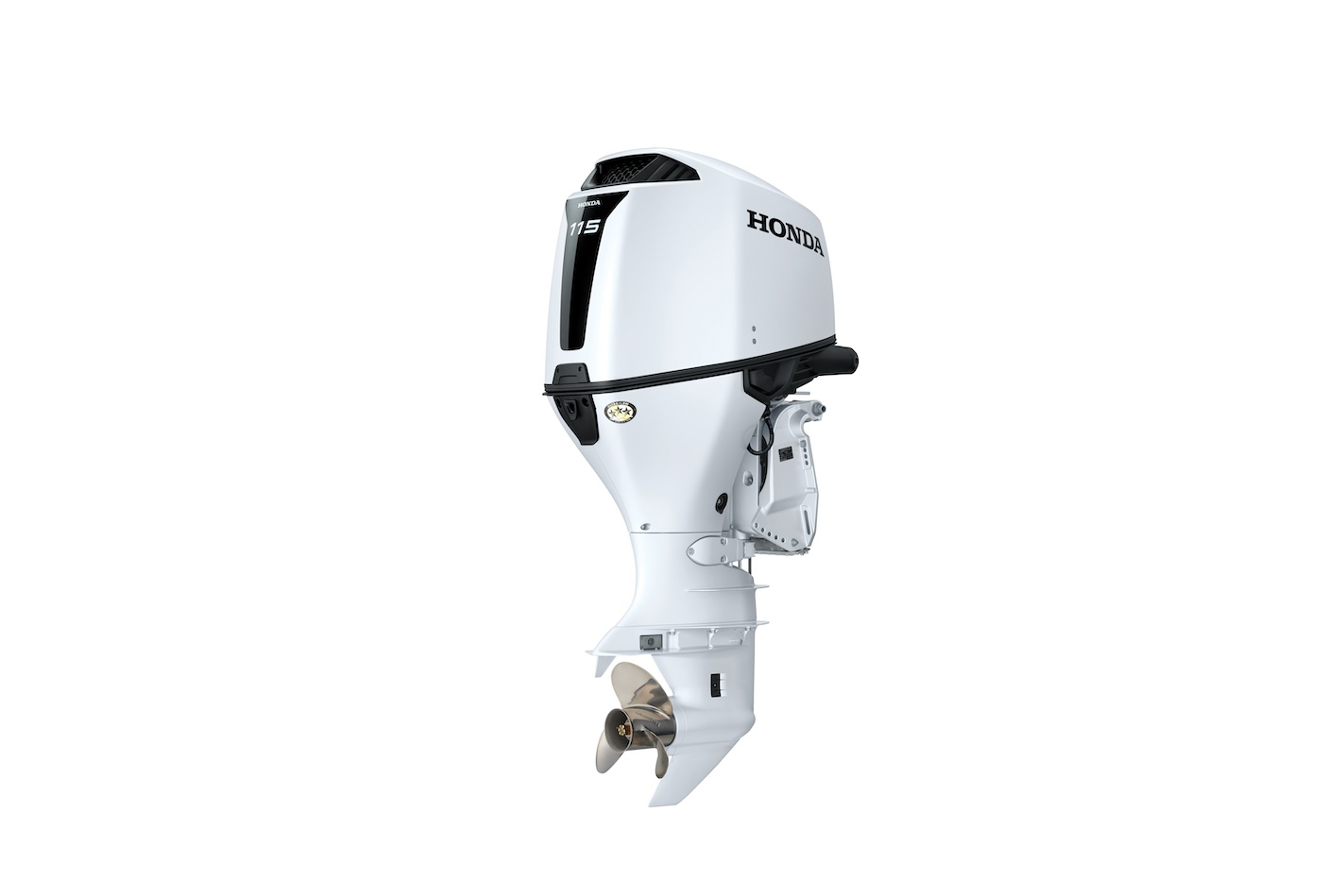
03 · Diagnostic workshop
The engine does not reach its nominal 5,300–6,300 rpm range under load. There is no active alarm and the installation was recently changed.
04 · Credentials and standards
Fundamentals, exact-series manual and formative assessment.
Laboratory, in-person practice and local instructors, subject to agreement.
Electronics, networks and standards through each organisation's official courses.
Documented real service, human review and traceable evidence.
05 · Technical observatory
Four owner manuals by serial prefix, NMEA 2000 instructions, displays and Smart Key.
SENAI programmes from 40 to 160 hours and marine mechanics references across five states.
ABYC, NMEA, NOCTI and ISO/IEC 17024 as references for safety, assessment and credentials.
Honda, Yamaha and Mercury as a comparative overview; access and rights remain with each organisation.
VESSEL ACADEMY · 2026